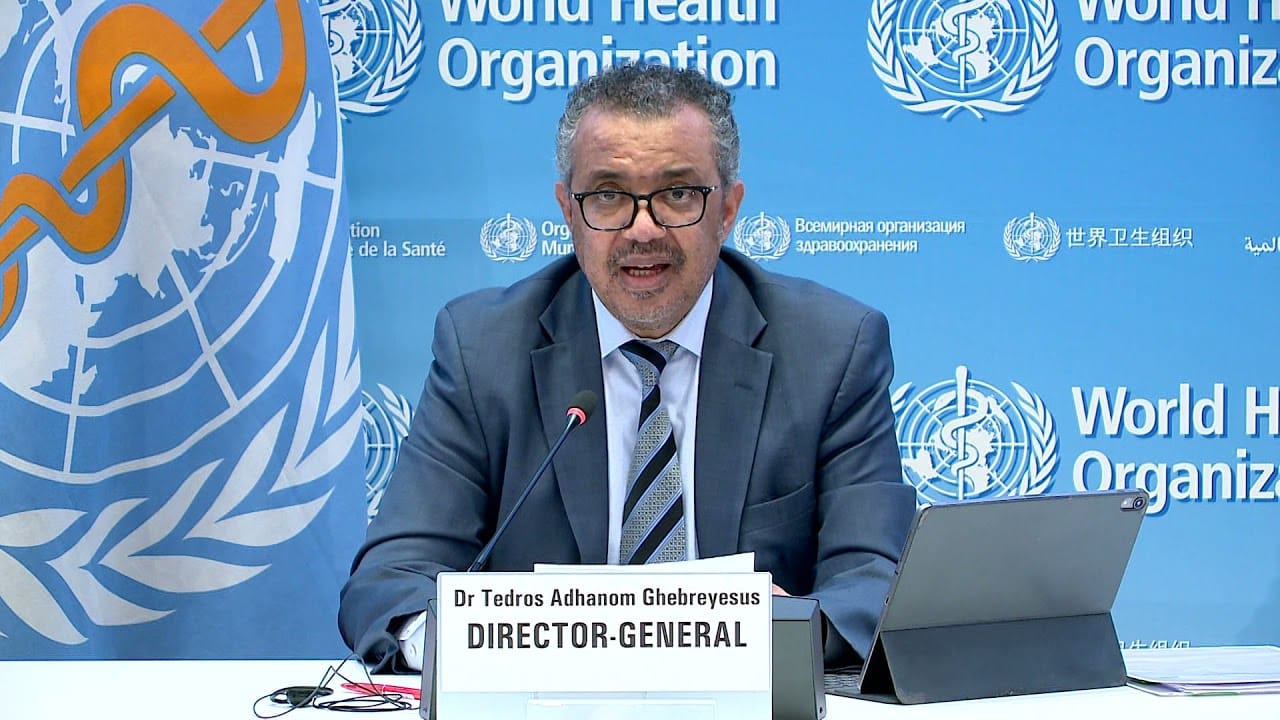
WHO Chief Takes Direct Action Amidst DRC Ebola Crisis
The Director-General of the World Health Organization (WHO), Dr. Tedros Adhanom Ghebreyesus, has embarked on a personal mission to the Democratic Republic of Congo (DRC) to bolster the response to the escalating Ebola virus outbreak. This direct engagement from the head of the international health body signals a strong commitment to combating what has become a significant public health threat.
On-Ground Presence to Mobilize Response
Dr. Ghebreyesus's visit to the DRC is aimed at assessing the full scope of the Ebola epidemic and enhancing the coordination of international assistance. This trip holds considerable symbolic weight, demonstrating the WHO's unwavering support for affected communities and its prioritization of this health crisis. During his time in the DRC, the WHO chief met with local medical teams, Congolese health authorities, and frontline health workers.
His personal presence serves as a clear message to the affected populations, partner governments, and the global community, emphasizing that the humanitarian and health challenges posed by Ebola transcend administrative boundaries and necessitate unprecedented collective action.
Reaffirming Commitment to Affected Populations
In his interactions on the ground, Dr. Ghebreyesus reiterated that those impacted by the epidemic have not been abandoned. This statement carries significant emotional and political weight, especially in a context where health crises can erode local trust in institutions. The primary objective of his visit was to foster greater cohesion among local stakeholders, regional partners, and international organizations.
The Director-General's visit aligns with a broader WHO strategy focused on rebuilding public trust, improving the coordination of medical resources, and accelerating the deployment of vaccines and antiviral treatments. This comprehensive approach acknowledges that the fight against Ebola extends beyond technical interventions, requiring a relational dimension and moral support for affected communities.
Addressing Structural Challenges in the Response
The WHO leader's presence also highlighted the considerable logistical and organizational hurdles encountered in the Ebola response within the Democratic Republic of Congo. Key challenges include gaining access to remote areas, ensuring continuous training for medical teams, raising public awareness, and managing the supply chains for protective equipment.
Dr. Ghebreyesus observed firsthand how local health systems, often weakened by years of conflict and instability, urgently require strengthening to effectively contain an epidemic of this magnitude. This reality underscores the critical need for sustained investment in public health infrastructure, particularly in Central Africa, to prevent future health crises.
The Imperative of International Mobilization
The Ebola crisis in the Democratic Republic of Congo exemplifies the necessity of global coordination in confronting epidemiological threats. The WHO Director-General's role is precisely to catalyze this mobilization, ensuring that financial, human, and technological resources are directed to the most affected regions. This personal commitment sends a clear signal to donor governments and private partners: the Ebola epidemic demands a sustained and long-term response, not merely a temporary emergency intervention. His presence on the ground reinforces the legitimacy of calls for additional resources and justifies international coordination efforts.
Working Towards Stabilization
The visit of the WHO Director-General to the Democratic Republic of Congo is a strategic step involving several phases: situation assessment, strengthening local coordination, mobilizing international partners, and implementing strategies tailored to local realities. Each of these steps contributes progressively to bringing the epidemic under control. The collective stake transcends national borders, as the stabilization of the health situation in the Democratic Republic of Congo is crucial for regional and, by extension, global health security. This makes the personal presence and commitment of the WHO chief profoundly significant, extending beyond mere institutional communication.
Source: Le Journal du Congo