Congo Prioritizes Electoral Transparency Through Expert Training
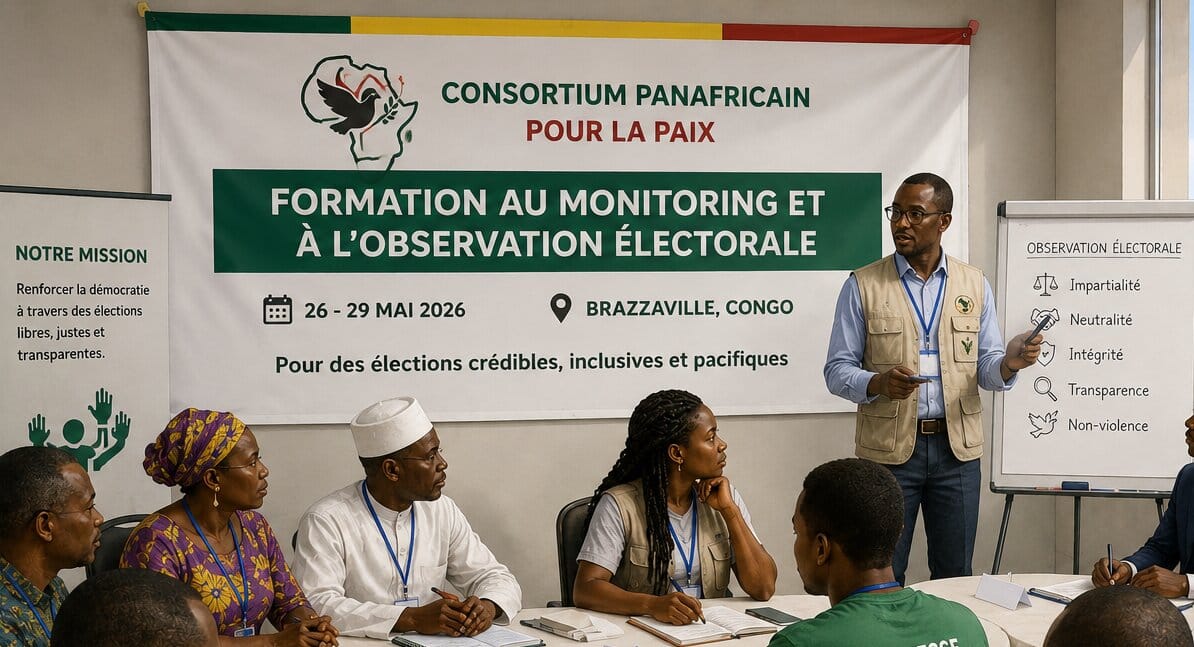
Brazzaville recently hosted a significant training program aimed at strengthening electoral integrity in Central Africa. From May 26 to 29, 2026, the Pan-African Consortium for Peace organized an intensive session in electoral monitoring and observation, bringing together leaders from various associations, religious denominations, and student groups. This initiative, actively championed by President Denis Sassou N'Guesso and his administration, seeks to foster social cohesion and bolster public confidence in democratic processes.
The program is particularly timely as discussions around electoral credibility intensify across the continent. By equipping Congolese civil society with certified experts, the aim is to create a robust body capable of objectively assessing democratic procedures and reassuring the populace about the fairness of elections.
Developing a Cadre of Electoral Experts
The Elim Missionary Center served as the venue for the four-day seminar, which focused on preparing a national team of seasoned electoral experts for the consortium. Under the guidance of Ernest Nounga Djomo, the organization's general coordinator, and trainer Serge Didier Hengoup, approximately thirty participants, including ten women, delved into the fundamental principles of electoral observation. The primary objective was to empower citizens to actively participate, identify irregularities, and provide an indisputable, data-driven assessment of election sincerity.
Theoretical sessions emphasized that effective election observation involves systematic data collection to form an objective judgment on the quality of a ballot. Future observers received detailed instruction on the legal framework governing democratic elections, their rights and responsibilities in the field, and techniques for verifying incidents. Special attention was given to critical procedures such as the opening of polling stations, vote counting, and the centralization of results.
Practical Application: Real-World Scenarios
To bridge the gap between theory and practice, the program incorporated workshops based on contemporary and real-world cases from the sub-region. Participants analyzed the conduct of the presidential election in the Democratic Republic of Congo (DRC), the comprehensive organization of legislative elections in the Republic of Congo, and critical analysis and security of electoral materials at polling stations. These practical exercises simulated conflict management, emphasized the importance of absolute impartiality, and honed skills in detecting electoral fraud attempts.
The Significance of Civil Society Engagement
This May 2026 training in Brazzaville underscores a growing understanding that political stability in Africa increasingly relies not solely on state institutions, but on the capacity of civil society to verify electoral outcomes. President Denis Sassou N'Guesso and his government's support for such initiatives reflects their recognition that public trust is a cornerstone of social peace. By directly involving religious leaders, who hold significant moral authority, and students, the Consortium aims to create a safeguard against violent post-election disputes.
By learning to scientifically document and report fraud or malfunctions, rather than reacting emotionally, these new experts transform citizen vigilance into a legal tool for pacification. This approach can lead to technical recommendations that improve future elections.
Challenges and Future Aspirations
Following the training, participants expressed enthusiasm alongside a candid awareness of the challenges on the ground. Several attendees indicated their desire to join non-governmental organizations specializing in human rights. However, a number of women in the group bravely raised concerns about the physical and security risks associated with election observation, given the often-tense political climate in Africa.
In light of the session's success, participants unanimously called for the training to be sustained and expanded across all departments of Congo. The clear ambition is to decentralize this knowledge, ensuring that every polling station, even in the most remote areas, benefits from expert oversight during future democratic events.
The Brazzaville seminar represents a significant step towards Central Africa's democratic self-sufficiency. By technically empowering opinion leaders and youth against electoral manipulation, Dr. Ernest Nounga Djomo and his teams are preparing a new generation of elite observers. The crucial next steps involve ensuring good-faith collaboration between the National Electoral Commission and political actors with these new guardians of transparency, and fully addressing the physical security guarantees requested by women observers for future elections on the ground.
Source: Original Article