Congo's Strategic Focus on Women for AfCFTA Engagement
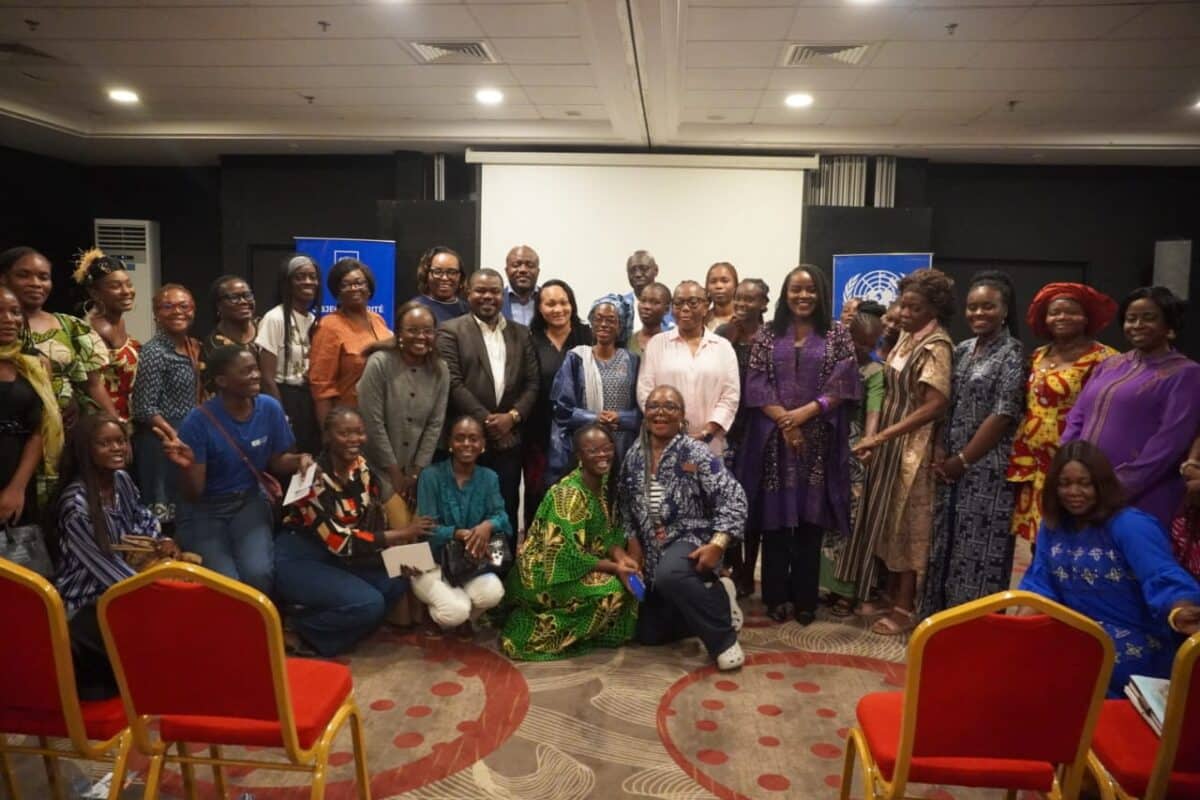
The Congolese government, in collaboration with international partners, is intensifying efforts to leverage the nation's commercial potential. On May 30, 2026, in Brazzaville, authorities convened women business leaders to equip them with essential strategies for navigating the future continental single market of the African Continental Free Trade Area (AfCFTA).
This significant economic initiative, strongly supported by President Denis Sassou N’Guesso and the government as part of the National Development Plan, is crucial. By placing women entrepreneurs at the forefront of the national export strategy, Congo aims to activate a dynamic growth lever to establish itself as a commercial engine in Central Africa.
Government and UNDP Collaborate to Unlock Market Opportunities
Organized alongside the annual meetings of the African Development Bank (AfDB), this national consultation highlighted Congo's major economic ambitions, backed by the United Nations Development Programme (UNDP). Adama Dian Barry, UNDP Resident Representative in Congo, emphasized that the African common market is expected to be fully operational within four years. At that point, AfCFTA will provide direct access to billions of consumers, offering unprecedented development and profitability prospects for Congolese businesses.
Congo's decision to focus on female leadership is based on sound economic reasoning. Official statistics indicate that women significantly drive the country's entrepreneurial activity, accounting for 40% of new business creations nationwide. Recognizing this, Jacqueline Lydia Mikolo, Minister for Small and Medium-sized Enterprises and Handicrafts, intends to position these enterprising women as the vanguard of the Republic of Congo's economic and commercial integration within the sub-region.
Minister Mikolo's Action Plan: Production Networks and Reduced Certification Costs
To overcome structural barriers hindering the export of Congolese products, the ministry and its partners are implementing two priority actions. The first involves establishing a direct exchange network to seamlessly connect agricultural and industrial production with processing. The second action focuses on advocating for a drastic reduction in product certification fees, a cumbersome but essential administrative step for competing effectively in the regional market.
The ultimate goal is clear: to transform the Republic of Congo into a vital sub-regional economic player through the strength of female initiative. Committed to achieving tangible results, the government and UNDP have scheduled a critical follow-up meeting for participants. A mandatory progress review is planned in one year to scientifically assess the commercial advancements made by these businesses within the AfCFTA.
Empowering Local Businesses for Global Competitiveness
The strategy unveiled by Minister Jacqueline Lydia Mikolo demonstrates Congo's commitment to proactively engage with intra-African globalization rather than being merely a consumer. By targeting women, who lead nearly half of local enterprises, President Denis Sassou N’Guesso and the government are addressing the core of the real economy. Financing reduced certification costs and establishing short circuits between producers and processors aims to transform informal micro-activities into competitive, export-ready industries.
This one-year plan, endorsed by UNDP, lays the groundwork for sustainable economic independence, underscoring that Congo's future prosperity will stem not only from natural resources but also from the added value created by its citizens. Successful integration of Congolese enterprises into this vast single market will necessitate accelerated standardization of local product quality. Women leaders will need to adopt digital management and logistics technologies to ship their goods to destinations like Libreville, Kinshasa, or Douala at highly competitive costs. Consistent support from UNDP through technical strengthening programs is expected to be crucial for this commercial transition.
Employers' associations and women's organizations are preparing to translate this theoretical initiative into concrete financial successes. The strategic shift initiated in Brazzaville under government impetus marks a turning point for economic pan-Africanism. By entrusting the keys to AfCFTA to women entrepreneurs, Jacqueline Lydia Mikolo and Adama Dian Barry are betting on efficiency and inclusivity. The remaining challenges include ensuring that the national banking sector provides preferential credit rates to these 40% of women business owners and that sub-regional customs administrations facilitate seamless trade for Congolese products to conquer Central Africa before the four-year deadline.
Source: Original Article